


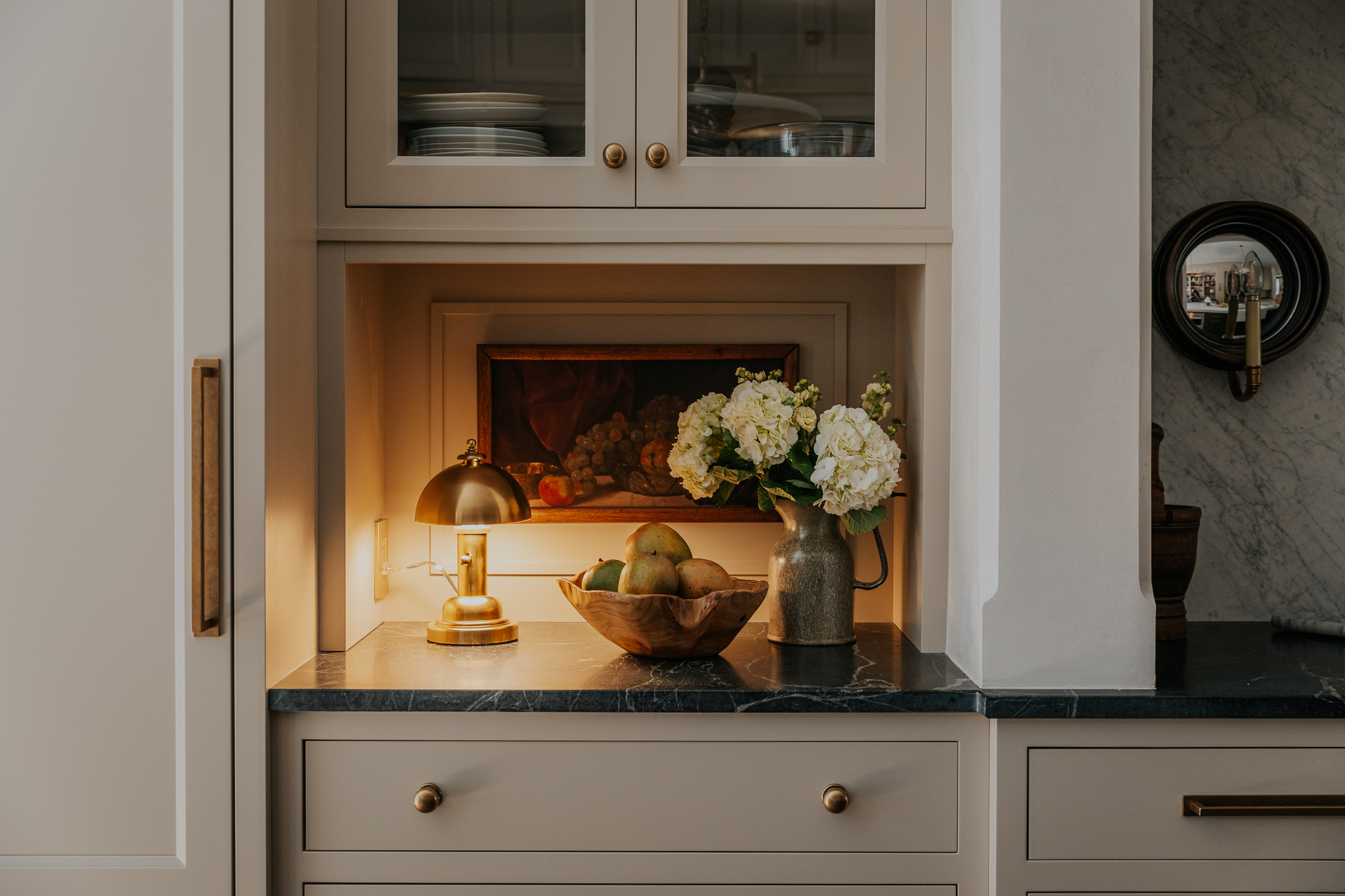
The other day, someone on Instagram asked how to get started with lamp lighting — whether it was worth setting up smart plugs, or if flipping on the big light would always win out of sheer convenience. And as the founder of lamp o’clock, I can promise you: it’s healing.
So let’s talk about it.
Why Layered Lighting Matters
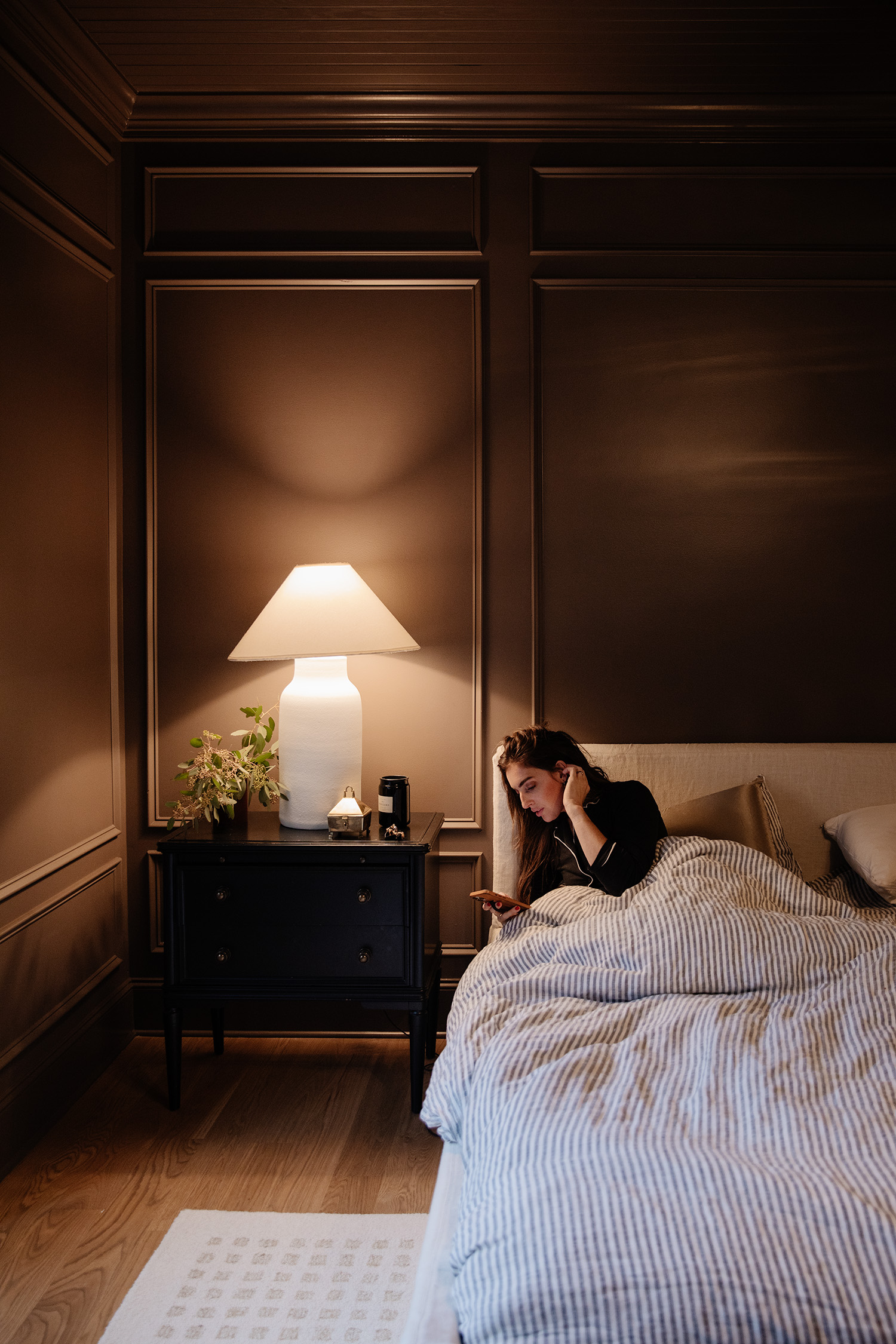
Before we talk lamps specifically, we need to talk about layered lighting as a concept. Every standard room comes with one “big light,” and that makes sense as both a design and a functional decision—but that single fixture cannot, and should not, stand in for all of your lighting needs.
A well-lit room actually pulls from three layers: ambient lighting to set the overall mood, task lighting for the things you’re actually doing (a bedside lamp for reading, pendants over the kitchen island), and accent light to add depth and draw the eye. This is exactly why we always put the main fixture of a room on a dimmer—so we can intentionally turn it down and let the other lights in the room contribute without being overshadowed.
Lamps are where this gets easy. They pull double duty across both ambient and task lighting, and they do it for a fraction of what hardwired accent lighting would cost—no electrician, no rewiring, just plug in and move it wherever the room needs it.
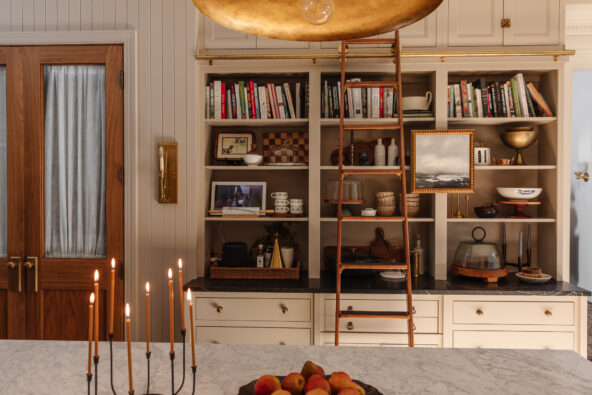
Fill a space with a few of them at different heights, put them on dimmers or smart plugs, and use warm bulbs (2700 or 3000K) throughout so the glow stays consistent. Do that, and you earn our favorite moment of the day: lamp o’clock—the point each evening when the big light goes off, the lamps come on, and the whole house softens into something warm and collected.
Yes, You Can Automate It
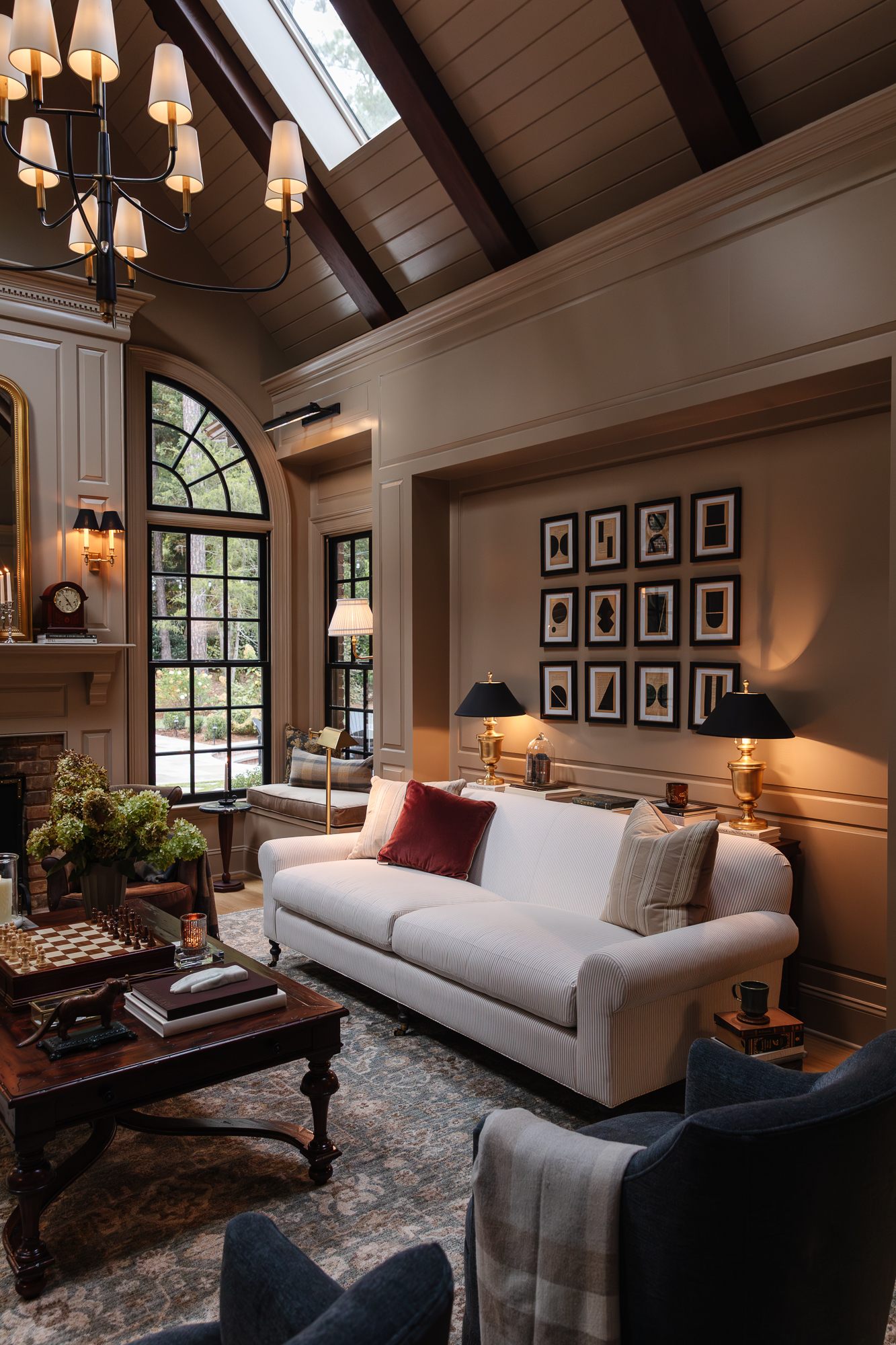
If you want the easiest, least expensive smart option: get some smart plugs, plug your lamps into them, and set up a routine in the Alexa app that turns them all on with a voice command. One phrase at dusk and the whole room glows.
Or if you prefer, program them in the Alexa app to turn on and off at the same time each day. It works, it’s cheap, and there’s no rewiring involved.
But Hear Me Out on Doing It by Hand
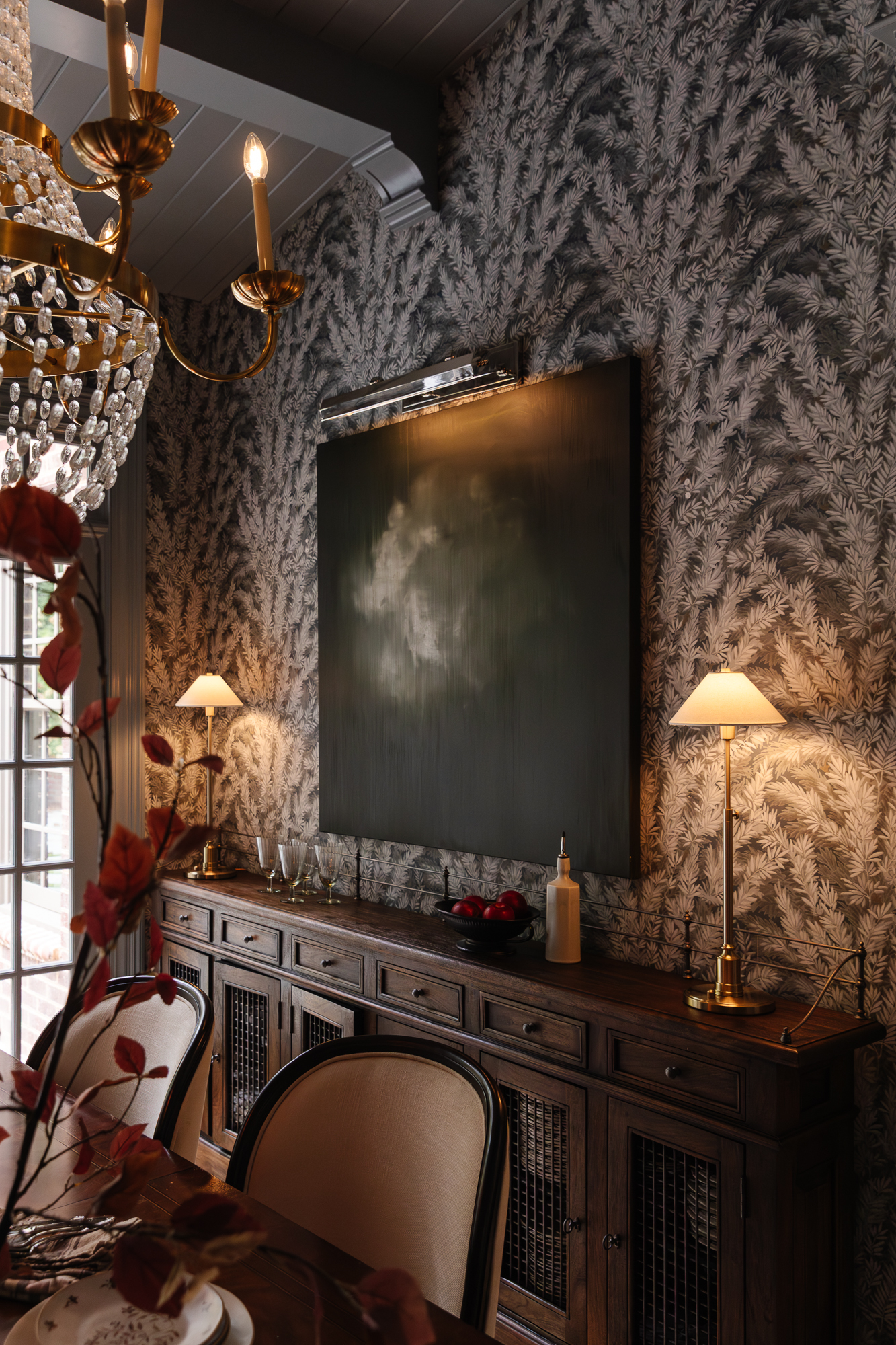
There is also something wonderful about turning on a lamp manually. I love twisting it on. I love going around the house and turning on the lamps at dusk. Lighting a candle. It’s a ritual.
The beautiful thing about it is that it’s just for you. It’s not faster than flipping the big light on and off — and that’s kind of the point. It’s self-care. It’s calming. It’s a little signal to your brain that the day is shifting gears.
Where to Start: One Lamp by the Switch

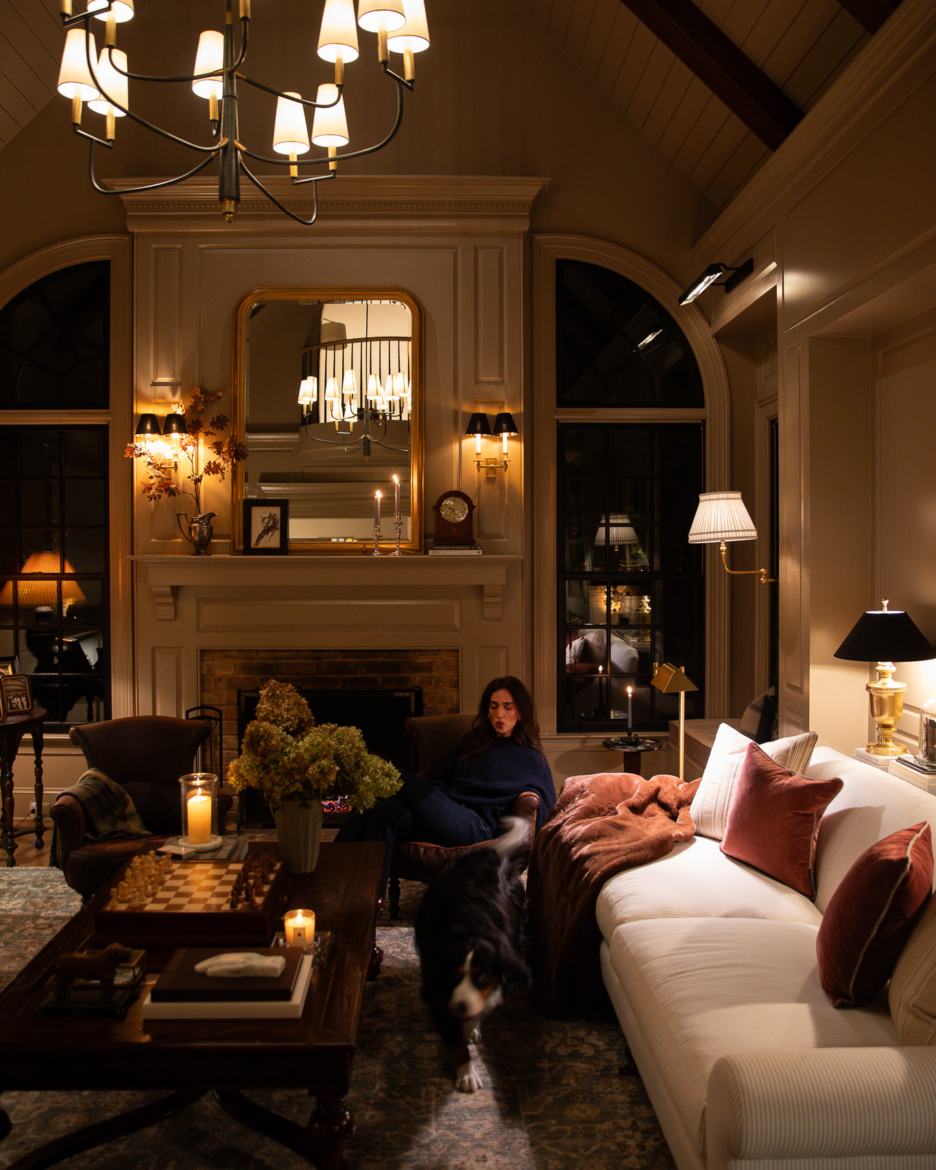
I would start by placing one lamp close to your entry point — closest to where you’d normally flip on that big light, so turning on the lamp is just as easy as hitting the switch. That first lamp will light your way to the next lamp, and the next, and the next. Soon enough, you’ll have nine lamps in one room (guilty), and you’ll say, “I should automate this!!!”
The Path of Least Resistance
But the path of least resistance to becoming a lamp o’clock girly is not going all in on smart outlets. It’s to be converted to lamps first.
Get that lamp. Plug it in by your switch. Your relaxed brain will thank you.
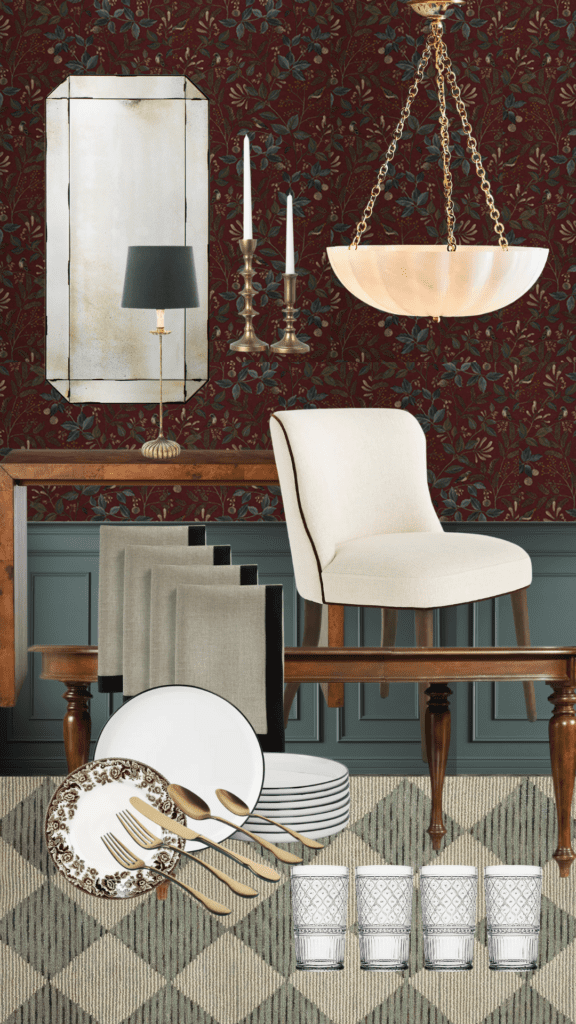
Shop CLJ-Approved Lamps
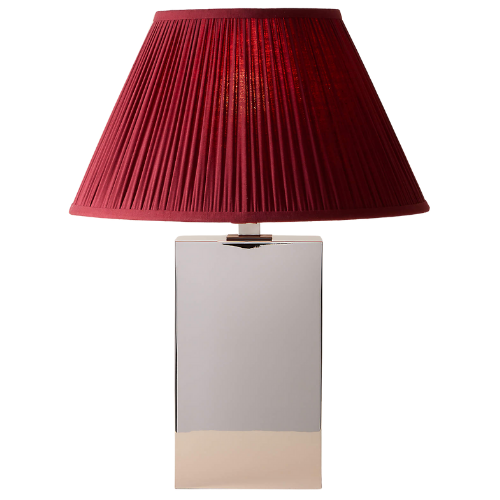
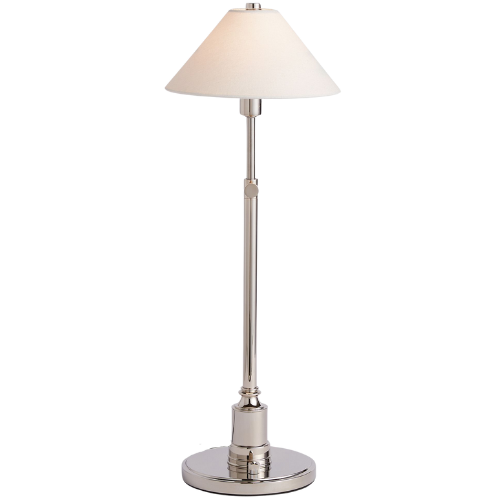
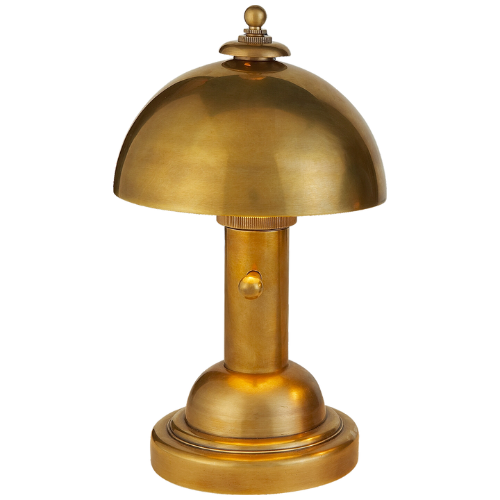
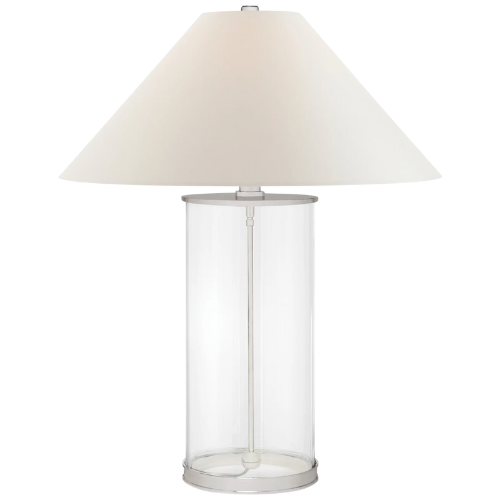
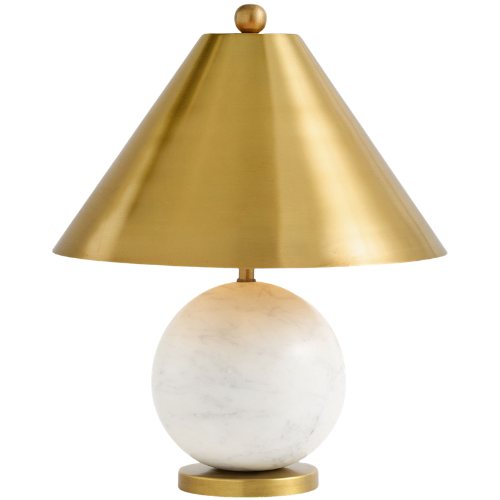
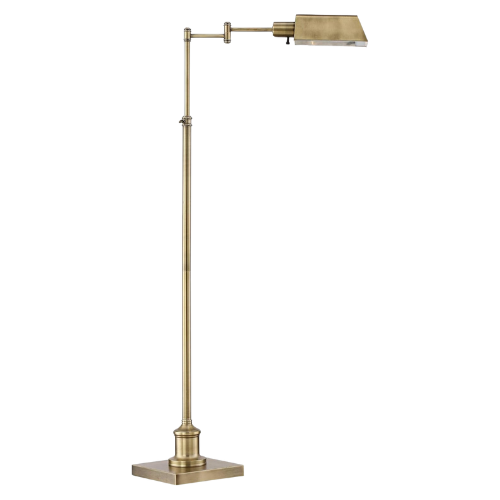
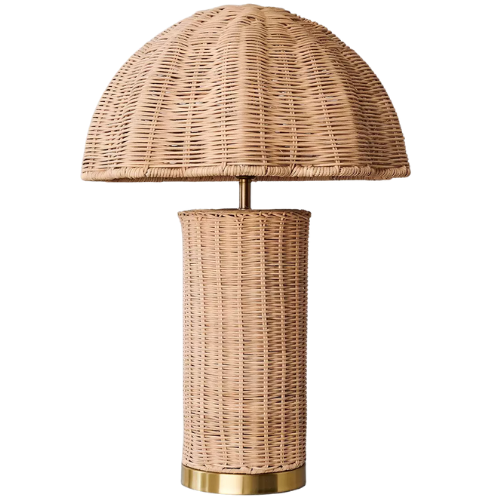
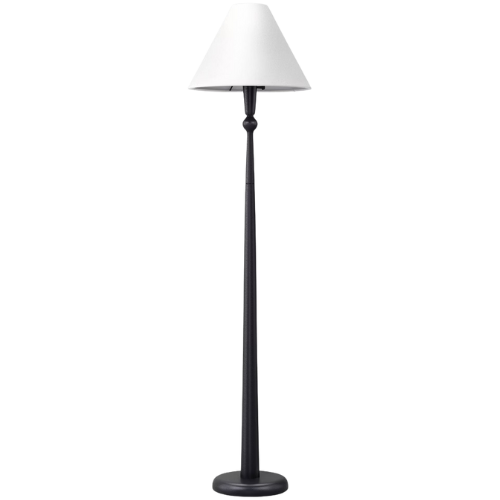

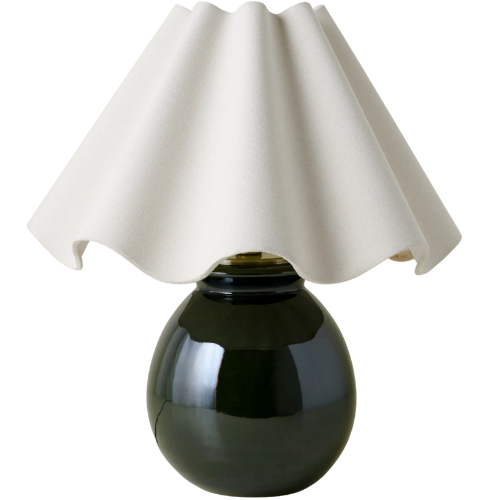
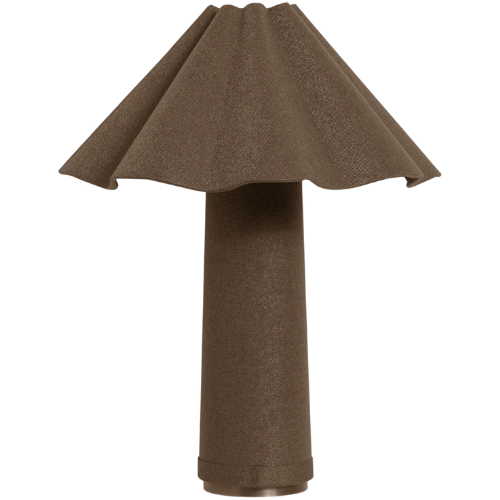

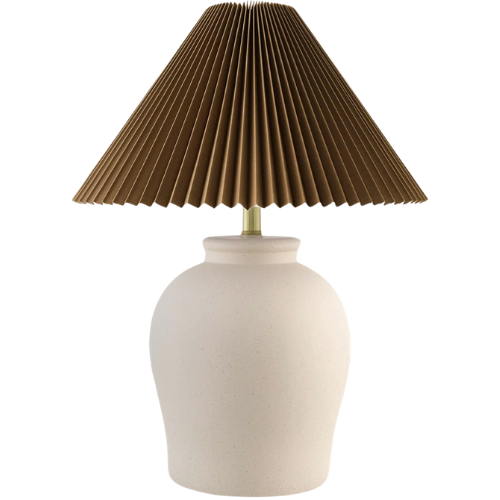
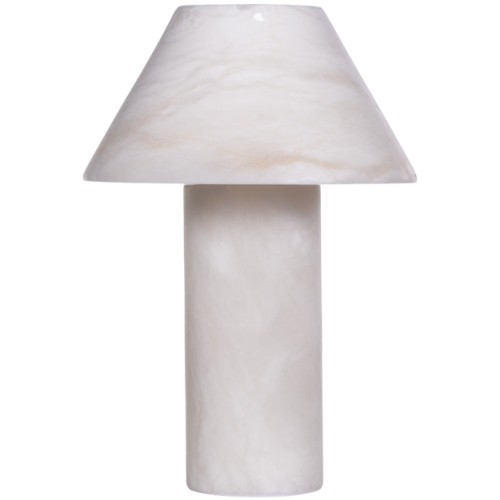
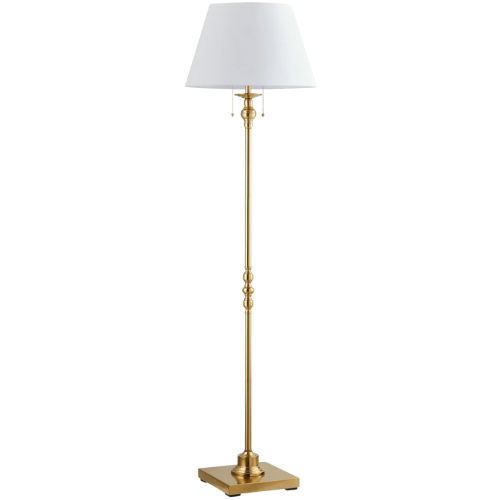
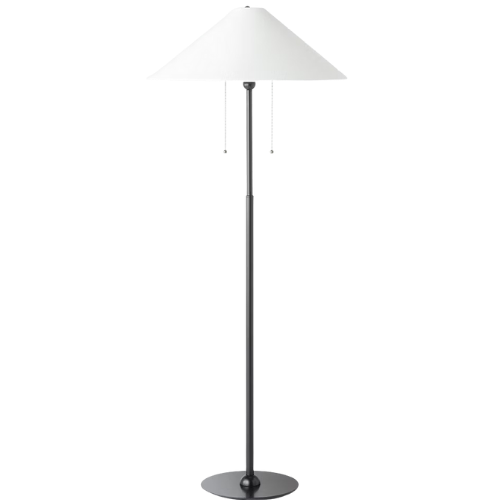
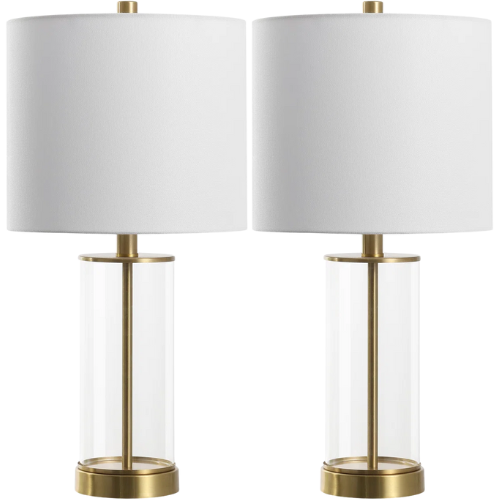
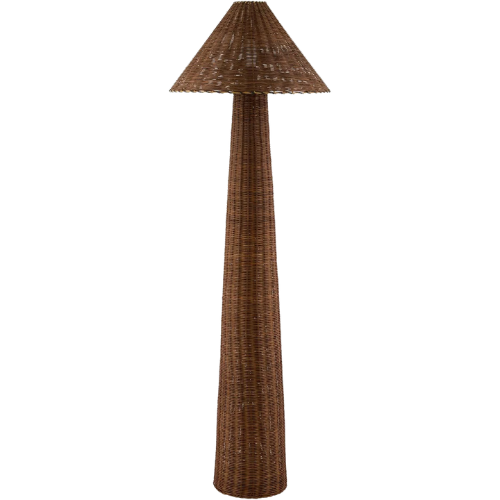

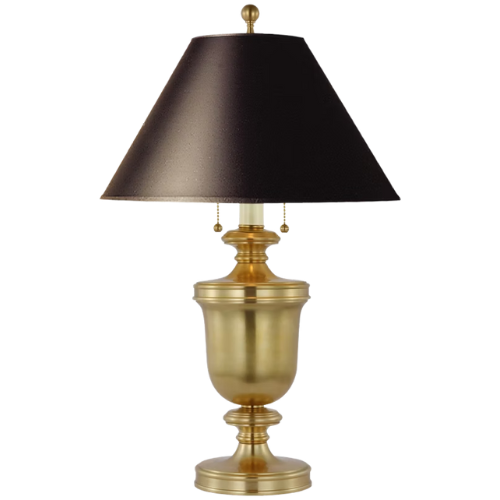
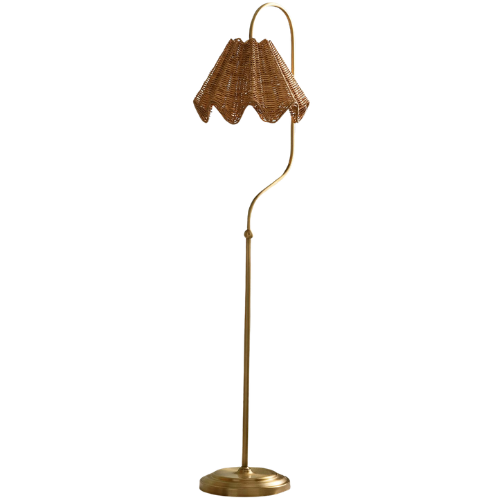
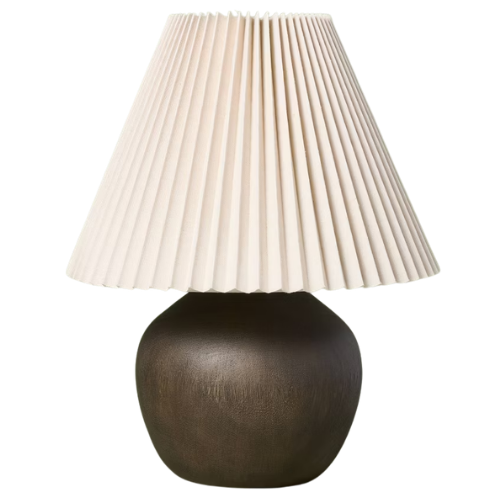
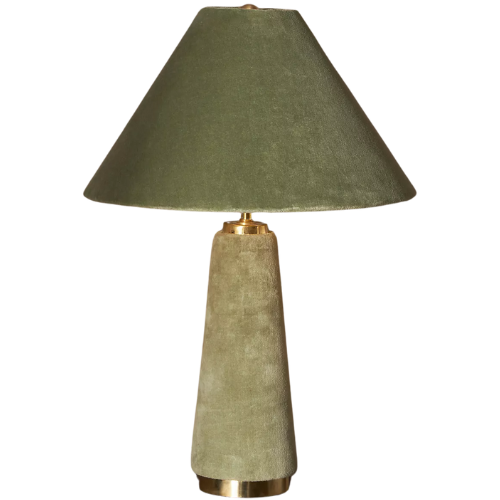
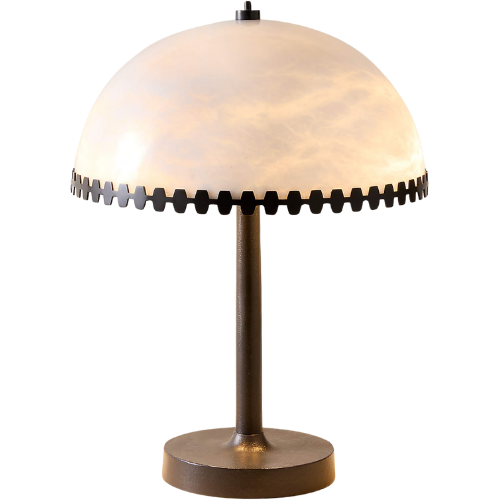
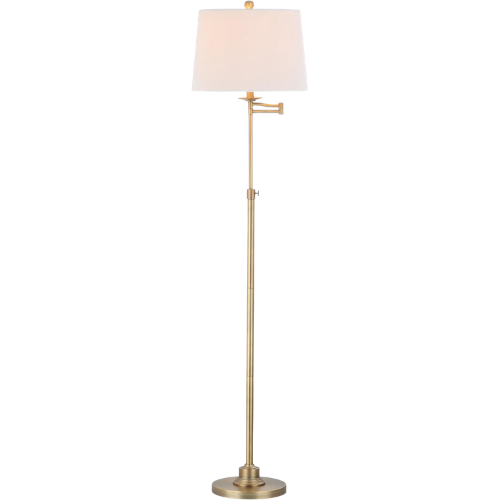
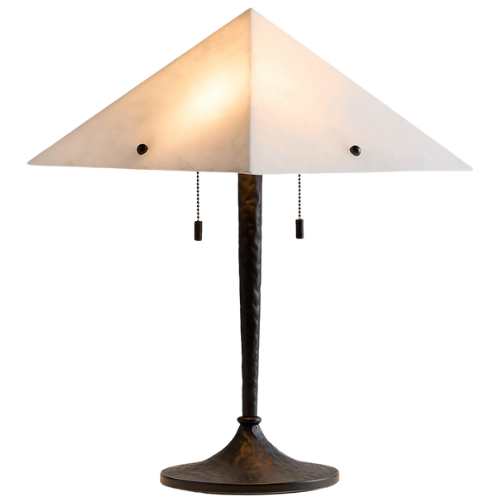
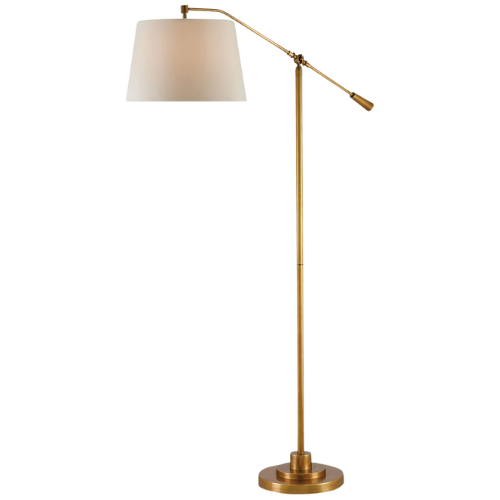

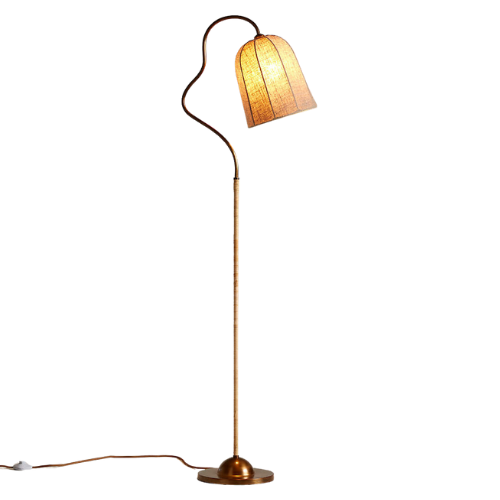


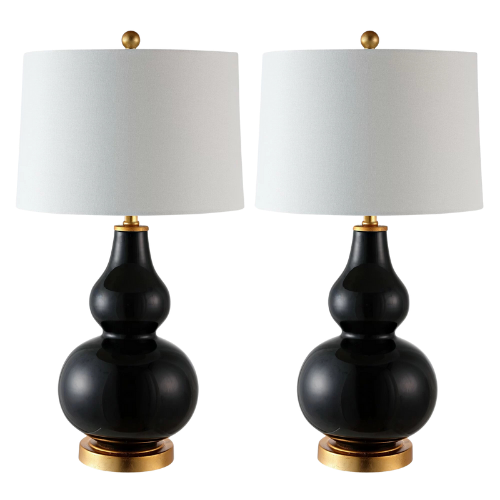
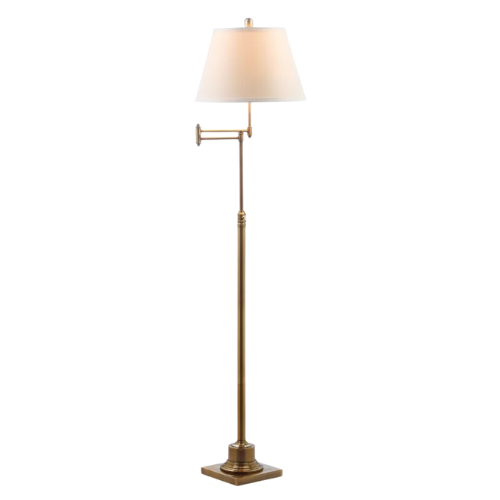
Shop even more lamps in the CLJ Shop




Leave A Reply
Your email address will not be published. Required fields are marked *