


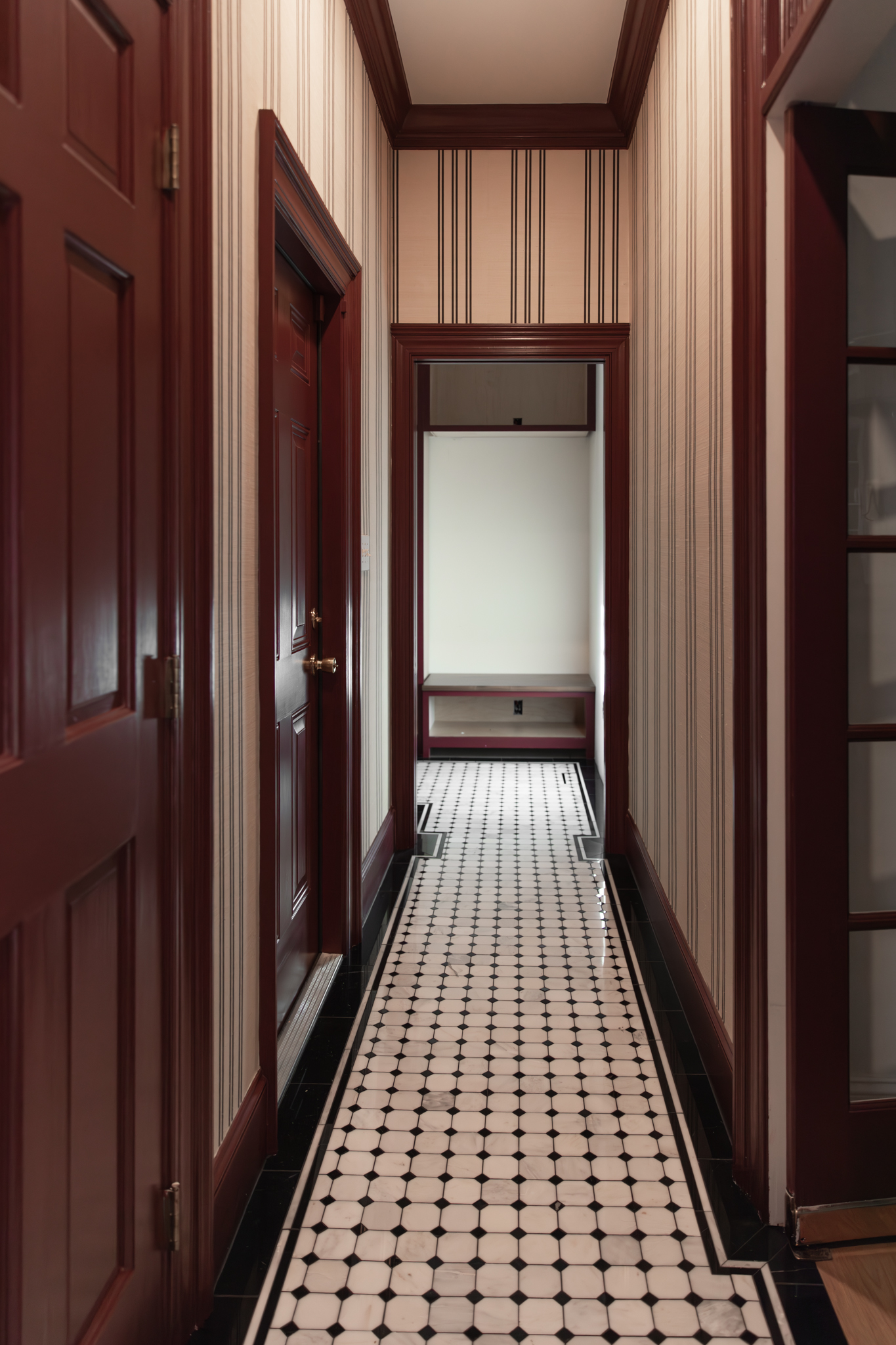
The harlequin tile floors (of our dreams!) are starting to get laid in the dining room today! It feels like it has been a long time coming. And in many ways it has, but it’s strange once you reach a point you were waiting so long to reach, everything it took to get up to this point you suddenly feel overwhelming gratitude for. Or at least I do. I’m glad we went through the extra effort to rebuild this room from the ground up. I’m glad we raised the floor so there was no step-down into this room. I’m glad we got the walls finished and painted (Sherwin William’s Alabaster) so when the floors are down we’ll be that much closer to completion.
One big detail went in on Friday, and that’s the radiant floor heating system from WarmlyYours (full disclosure: they sent us the system for this room). I shared some of the process in my stories and got SO MANY QUESTIONS about why we would heat only the dining room, if this is the only source of heat for the room, if it’s a must-have and what happens if it breaks etc etc?!


To answer those questions:
1. The heated floors will not be the only source of heat for the dining room. When we rebuilt this room from the foundation up (oof!), we added HVAC. Previously, this was more like an old patio converted into a sunroom so, very cold in the winter months and hot in the summer. There was an exterior door from the living room leading into it, so making the dining room a working part of our home definitely meant adding heating and cooling to the space. The heated floors (and fireplace!) are bonuses.
2. Is it a must-have? I got this question a lot! And I can’t answer that for anyone else, truly. But I will say that I think it depends on your region. We live in a colder region with an extended winter and cold nights year round. We added heated flooring to our last master bathroom and it was so incredibly nice, we vowed never to be without it again. This house actually already has heated tile in the kitchen/mudroom. And the front walkway is also heated. So this is to say, it’s very standard to heat tile floors in our area. The dining room is going to be the only flooring on the first floor that is tile so it’s the only floor we’re heating.
3. They test the heating elements pretty thoroughly before tiling over it to make sure it’s working properly. If the heated floor stops working down the road, for whatever reason (again, the heated flooring in our kitchen is over 20 years old and still going strong!), chances are it has something to do with the thermostat or circuit breaker rather than wire in the floor itself, and those things can be easily addressed.
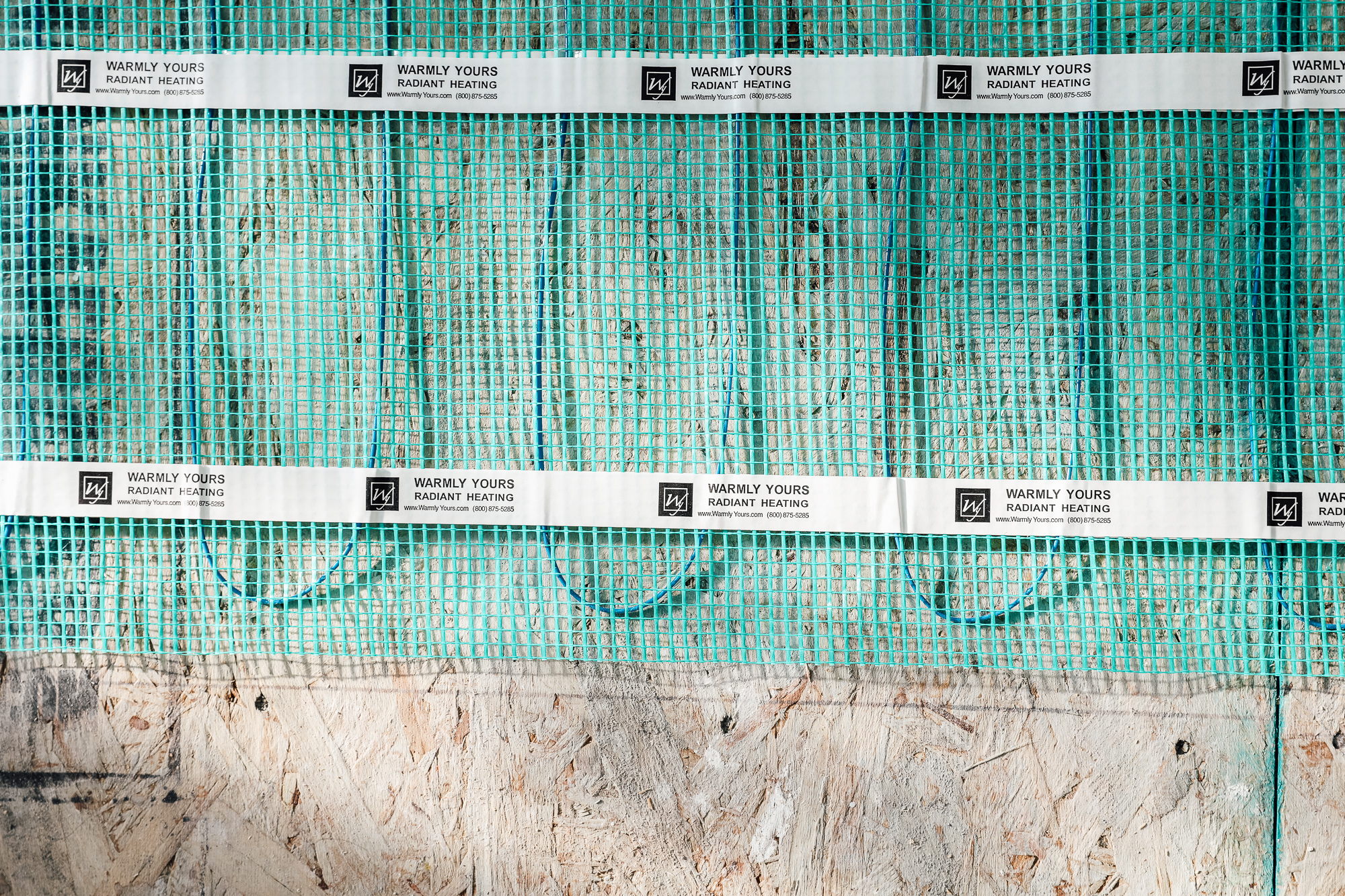
As a heating system, the TempZone Flex Rolls are extremely easy to install so you get full coverage heating because of the cut-and-turn installation. The heating cable is secured to fiberglass mesh, three inches apart, in a serpentine pattern so there is even heat output. These rolls are very thin (about 1/8 inch) so they have a minimal impact on the floor height once they’re installed. Even still, when we were laying our wood floors in the adjoining spaces, we were mindful to account for the slight raise to ensure the dining room floors meet evenly with the surrounding floors.


Our contractors installed ours, but if you’re handy, you *can* DIY this project. WarmlyYours has an easy-to-follow installation cheat sheet here. (There’s only 8 steps and two are testing the heating element). The last step you see above was pouring a very thin layer of self-leveling concrete over it to prepare to lay the tile.
WarmlyYours offers a free design service for radiant heating (both floor heating and snow melting). You provide WarmlyYours with the dimensions of your project and in about one business day, you get a customized SmartPlan, including an itemized quote, an electrical plan, and an illustrated installation plan that shows you where the heating elements should be laid out and how they should be installed. It takes all of the guess work out of it.
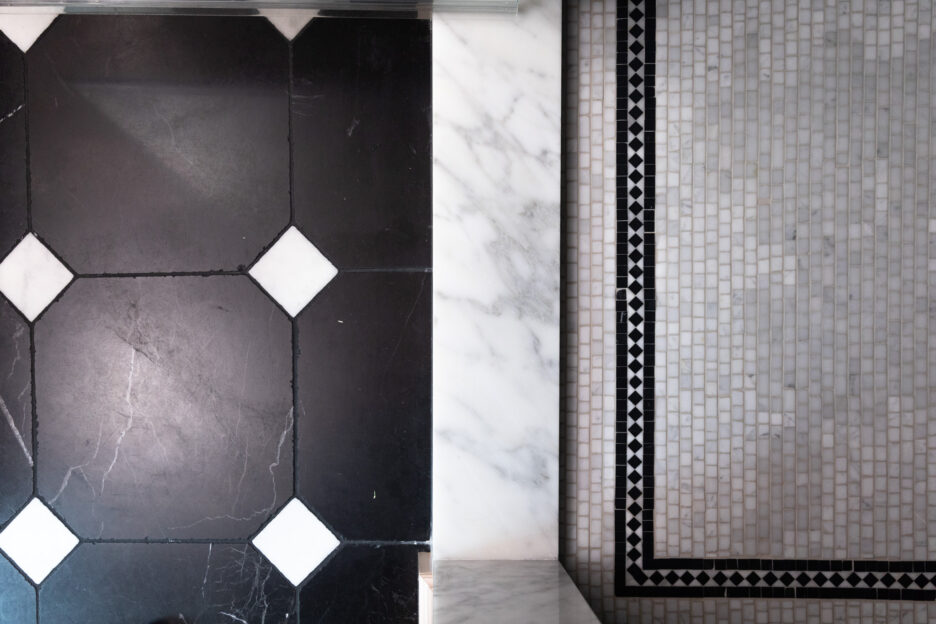
We’re so ready to see the tile! And because I got asked a lot about this too, almost any tile can be installed over the TempZone heating systems (but of course it’s always a good idea to refer to the tile manufacturer’s guidelines to make sure).




I love heated floors but the use of an electric floor heating system in such a large space seems like it would be much less efficient than a hydroponic system tied into a boiler. Did you consider a hydroponic system before having this one installed?
We did! And we actually had a hydroponic system at the cabin! But all the in floor heating in this house is electric so we stuck with that.
Radiant can be so nice! I love it in bathrooms! Less so in large rooms with lots of windows due to solar gain and HVAC controls that really have to be zeroed in! Love seeing all the transformations. Wish more designers highlighted their use of renewable technology in renovations and new construction since so many cities are starting to have carbon neutral/renewable energy targets. Tying your radiant floors and HVAC system to geothermal is a great way to save money, reduce your carbon emissions, and aids in your outdoor aesthetics since you don’t have an outdoor unit humming away. And your backyard is heating and cooling your home! Maybe you’re already doing some of these things but good luck!
Love following you both and have for years! Question, and this will seem odd… can you speak more to the self-leveling concrete? We are finishing our basement and our existing concrete is great… I’m just wondering if perhaps we should do one more coat and I’m wondering if the self-leveling concrete is the way to go! Our contractor is suggesting epoxy but I want to explore options! Thanks in advance!
Hi would not have put tile over the plywood even with the thinset, backer board is the way to go.
We’re going to renovate a house we purchased not to long ago and we are researching all the possibilities to make this project as smooth and well planed as possible. This was very good information, thank you!